
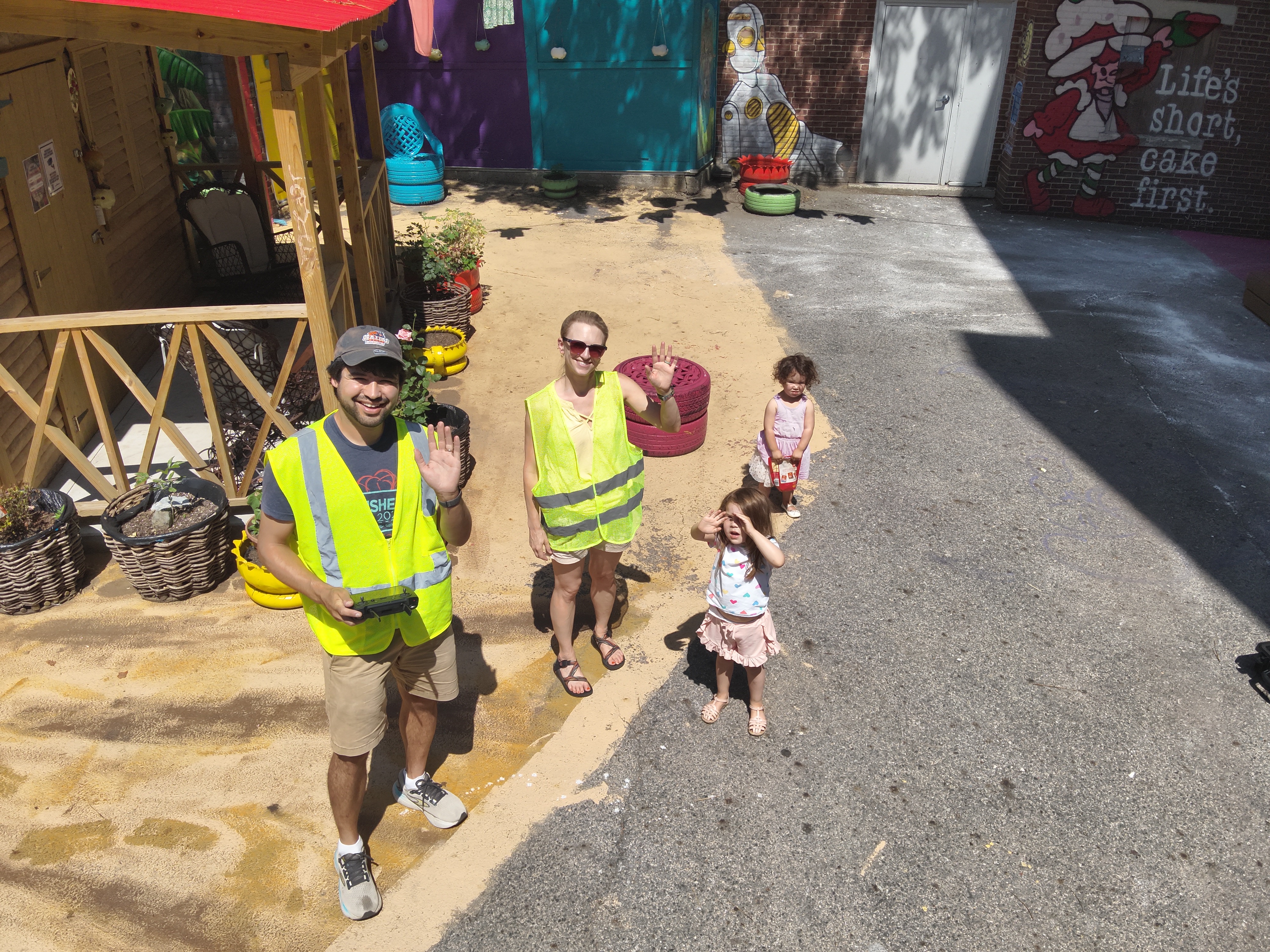
Salem’s pilot high heat project has brought two heat sensors in Salem to analyze urban heat.
By Mia Amaral
Through a partnership with the North Shore Community Development Coalition, the City of Salem, Resilient Together, MAPC, and the Barr Foundation, Salem’s high heat project has installed two heat sensors to track and monitor temperatures. The high heat project is focused on studying urban heat and developing a resident-led pilot project.
The first sensor is located on Salem State University’s central campus, in front of the Bertolon School of Business. The installation at Salem State University was facilitated by Tara Gallagher, Sustainability and EH&S Coordinator, with help from Professor Nicholas Geron of the Geography and Sustainability Department. The second sensor is attached to the North Shore Community Development Coalition’s office at 96 Lafayette Street, facilitated by David Barnard, YouthBuild Construction Vocational Manager. These distinct locations were chosen to reflect the temperature differences between green spaces and densely paved areas with little greenery.


The sensor placed on the CDC’s office captures temperatures experienced by residents of The Point, while the SSU sensor reflects conditions in areas surrounded by green space. This contrast is intended to highlight the disproportionate heat felt by two distinct environments.


The data collected by both sensors is publicly accessible via the free mobile app HOBOconnect. This app will allow users to access the information collected by the sensors from the date of installation. Once the application is downloaded on a mobile device, anyone can walk up to the sensor at either of our two locations and, via Bluetooth, collect the data that has been collected.
The data is free and accessible for all to use.
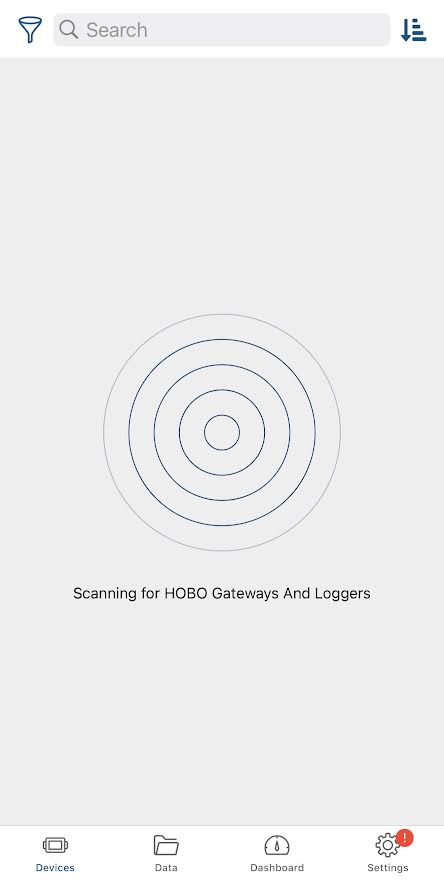
The HOBO Connect App will prompt users to bring their mobile device close to a sensor. Once they have connected, the sensor will appear on screen, with available temperature data, ready to download.

A user can click on the sensor and begin downloading the data. Once downloaded, the data will appear graphed, displaying temperature.
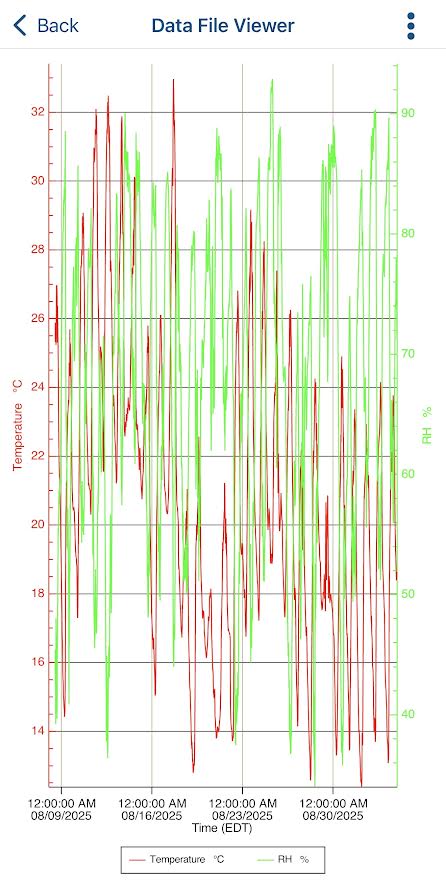
Exemplar screenshots collected from Salem State Heat Sensor on September 5th, 2025

Through these heat sensors, SAFE plans to collect valuable data on the temperature differences in our community. This information will help inform future climate adaptation strategies and support a resident-led heat resiliency pilot project next year.
Mia Amaral is SAFE’s Programs Intern.