

With Salem and Eastern Massachusetts undergoing severe drought, water conservation has become increasingly important.
Because of this, Salem Alliance for the Environment (SAFE) brought in Salem resident Erin Bonney Casey, the Executive Director of the Ipswich River Watershed Association (IRWA), to talk about the importance of the watershed, discuss challenges that it currently faces, and highlight the ways that everyday people can contribute to water conservation.


IRWA refers to itself as the voice of the Ipswich River. They work to protect nature and make sure that there is enough clean water for people, fish and wildlife, today and for future generations. They achieve this mission through advocacy, community involvement, water quality monitoring, education, and more.
Specifically, IRWA protects the Ipswich River watershed, an area of the North Shore that stretches from Andover in the northwest to Lynn in the southeast. Water in this area ultimately drains into the Ipswich River, and then makes its way downstream to the Atlantic Ocean

Our Interview with Erin Bonnie Casey
Filming within the Salem Access TV Studio, SAFE asked Erin Bonnie Casey to talk about IRWA, water conservation, and why this watershed matters to Salem residents. Watch below:
During the video, Salem Alliance for the Environment posed these four questions:
- “What are the challenges the river faces?”
- “What are the impacts of climate change on the river?”
- “What policy solutions are being pursued?”
- “How can people get involved?”
1) What are the challenges the river faces?
In Erin Bonnie Casey’s opinion, one of the greatest challenges the river faces is its overuse. The river is small, only 40 miles long, when compared to the 350,000 people that extract and depend on its water daily. Additionally, Erin stated that “Our demand for water goes up exactly when the supply of water goes down.” When summertime droughts hit, people begin to extensively water their lawns, fill pools, and use water for other outdoor activities. This puts extreme stress on the watershed and all of the wildlife that depend on it for survival.
2) What are the impacts of climate change on the river?
Climate change brings more extreme weather events. As we have seen over the past couple of months, this can mean extensive summertime droughts, but it can also mean extreme flooding during rainstorms, which are especially impactful to coastal communities like Salem. Overall, Erin says, we can expect “fewer but higher intensity rainfall events.”
With droughts becoming more and more common over the last decade, we must consider how we use and protect our water systems now, so they can be more resilient in the face of scarcity.

While flash flooding may initially appear beneficial for replenishing water supplies, stormwater runoff from our roads actually ends up carrying pollutants and waste into the Ipswich River. Additionally, when soil becomes extremely dry, less water is able to infiltrate into the soil. To address this pollution, IRWA is working toward “green infrastructure solutions,” which would clean water before it makes its way into our waterways.
3) What are policy solutions being pursued?
Drought management and water conservation are directly tied to policy. In Massachusetts, there is very little oversight on how each city or town addresses water scarcity, which results in “a patchwork of regulatory standards for how water is managed during drought.” For example, Salem only makes recommendations to limit use during a drought, while other nearby communities, like Peabody, have put strict regulations in place.
IRWA is approaching water conservation through 2 different avenues: individual and community-level behavior. Erin spoke to the individual component, stating, “I challenge people to think about how you are using water in your homes, in your gardens, and on your lawns.” She also brought up that on a town level, growth and property development should be considered within the resource constraints of water availability.
4) How can people get involved?
While an issue like water scarcity may appear overwhelming, there are so many different ways that community members can contribute to water conservation. For one, they can volunteer with IRWA, performing watershed-wide water quality monitoring or engaging in one of the many other volunteering opportunities.

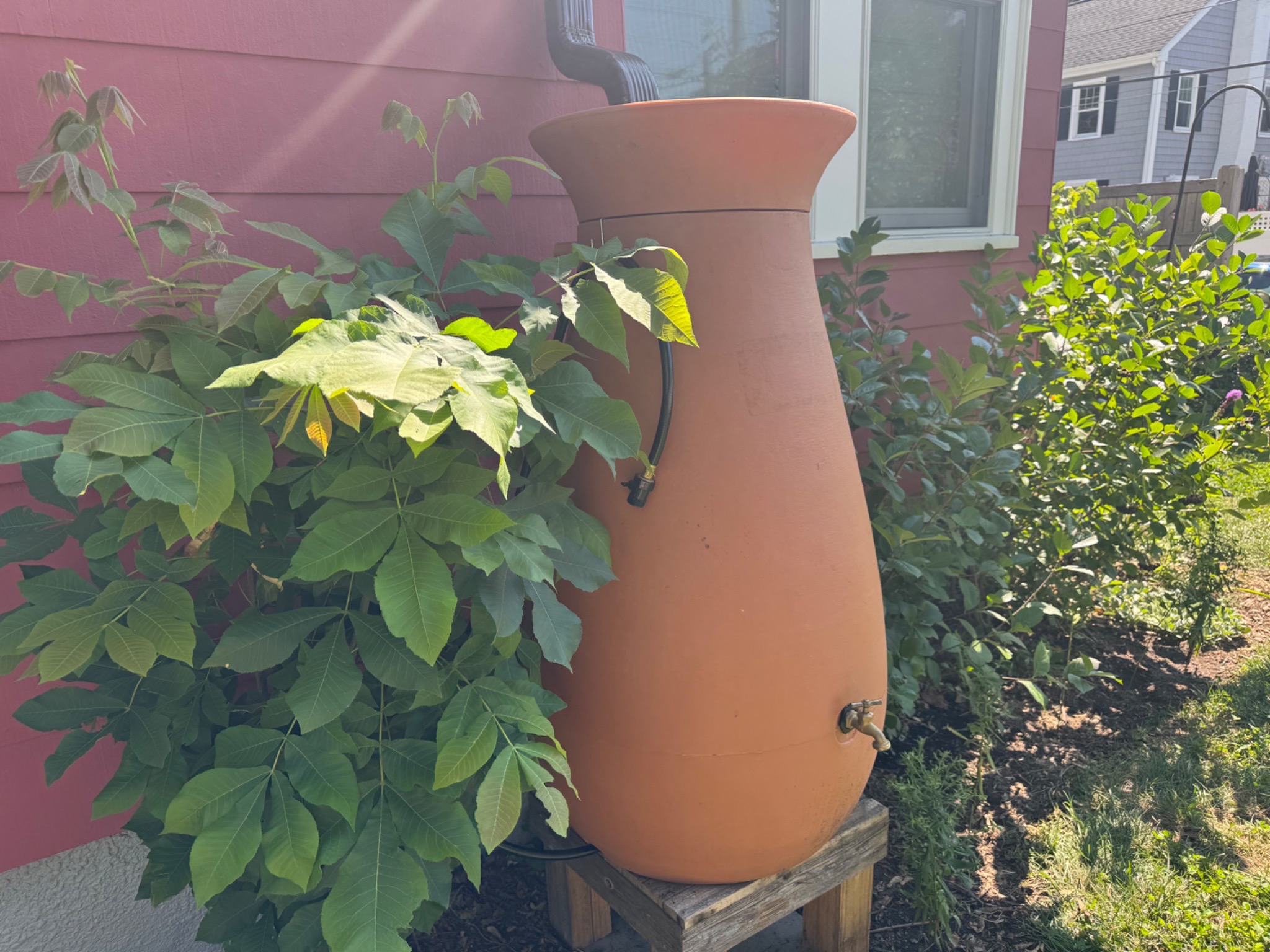
Additionally, many of us do not realize how much water we can consume by watering our lawns or gardens each day. Erin suggests one method to remedy this: utilizing rain barrels at your home. For Salem residents, the City of Salem offers 60-gallon rain barrels for $85. If you are looking to purchase one, visit the DPS Garage (5 Lafayette St) between 8AM and 3PM, M-F. For other ways to reduce your water use, please check out our blog: here.
Another important piece of individual action is awareness. Hold your legislators accountable, from those in your city or town to the state level, by paying attention to discussions regarding water conservation.
Thank you for reading, and a huge thank you to the Ipswich River Watershed Association and Erin Bonney Casey for providing us with this wonderful information and interview!